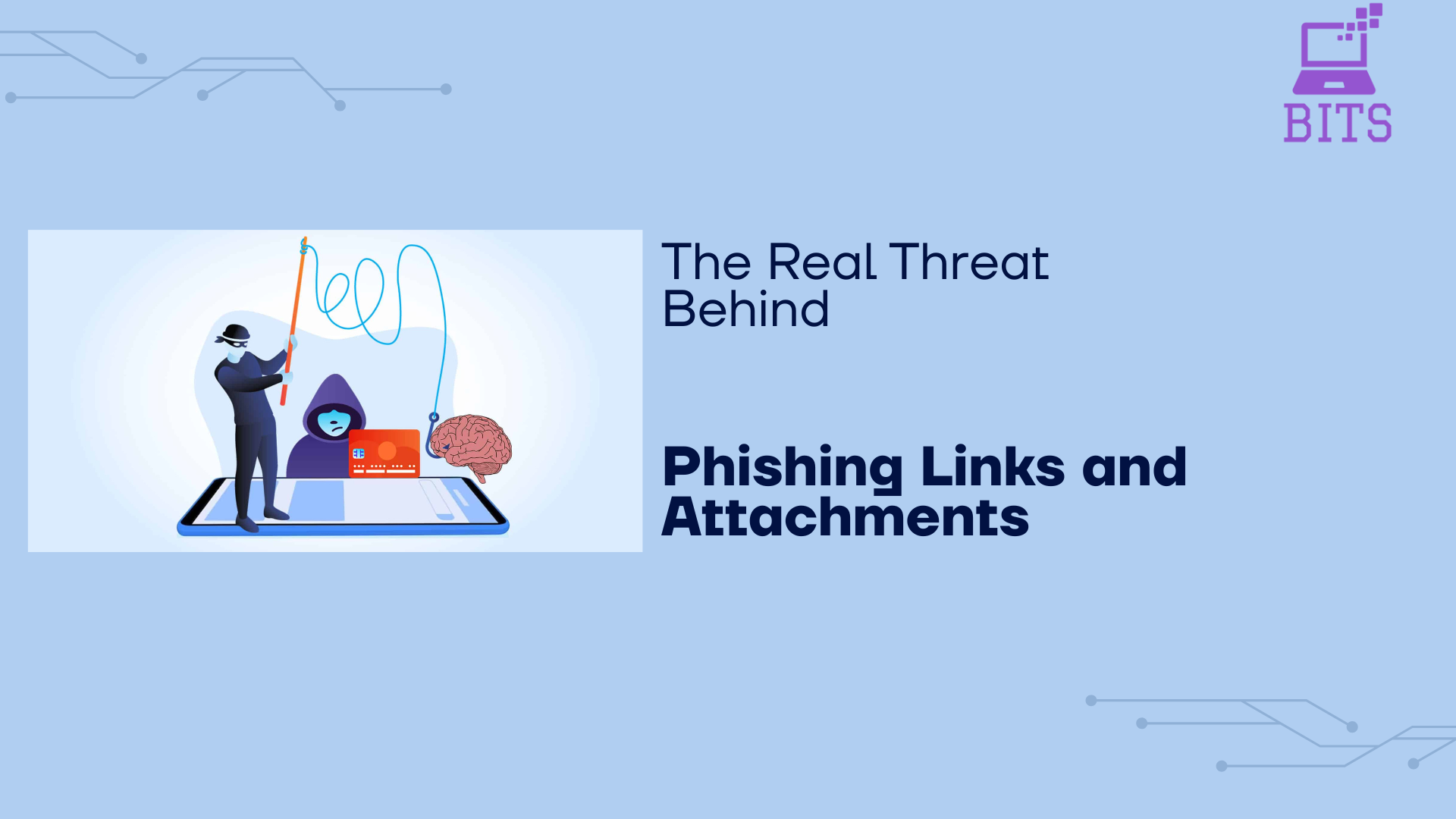
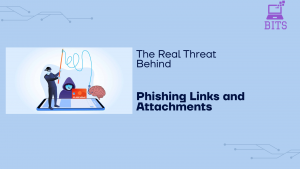
Phishing attacks continued to be the most prevalent first entry point for breaches. Although these messages may appear innocent in their text, there is a 2-part devil hiding inside: links and attachments. It helps individuals and businesses to lessen their exposure to cyber threats by understanding why these segments are so vulnerable. With the help of secure email services, companies can drastically reduce the impact that malicious emails have on them.
How Phishing Emails Manipulate Trust
The cornerstone of phishing is deception—not technical sophistication. Attackers craft emails that look like they’re from trusted recipients, such as banks, vendors, shippers, or internal departments. The aim is to generate a sense of urgency or intrigue and entice recipients into clicking on a link or opening an attachment without immediately questioning its validity.”
Attachment and URL-based attack vectors work, as they all require direct user interaction. As soon as a user clicks or opens the file, an attacker can use this vulnerability to deliver malware, steal login credentials or send a victim to a bogus website that’s built to grab sensitive information.
What Makes Malicious Links So Dangerous
Hyperlinks in phishing emails can often look genuine. They might incorporate well-known brands, shortened URLs, or subtle misspellings that can be easily overlooked. Clicking on those links usually brings users to phony login pages that closely resemble the ones they’d visit in real life.
After credentials are submitted, the attackers can enter email systems, cloud applications, or internal networks. And in the worst cases, unsafe links themselves can lead to automatic downloads that install harmful software which does not even require user activation.
How secure email providers mitigate this risk? Some secure email vendors will automatically scan links on the fly and prevent access to known malicious URLs. Some platforms also rewrite links so that they can be checked again at the time of clicking, a second layer of protection.
Delivery Channels of Malware: Attachments
Attachments are even more dangerous because they often come with malware included. Examples of file types might include invoices, receipts, shipping notices, and shared documents. These files might contain hidden scripts which run when you open the files.
Malicious attachments will install ransomware, keyloggers or remote access tools when triggered. These threats can also proliferate across networks, lock down files, or allow attackers perpetual access to systems.
Those emails are in good hands, and the best secure email services scan them for malware or other nasty stuff before they hit your inbox. That includes identifying the file behavior, identifying embedded scripts, and blocking files which show the signs of malicious activities.
The Role of Human Error
Regardless of education, humans are likely to make mistakes. Such employees who are pushed for time might open attachments and click on links without double checking to load the source. Attackers take advantage of this by creating messages that appear common or urgent.
This is why you need technical controls. The secure email providers are like a bouncer – they filter out threats before anyone has to interact with them. Although learning is essential, it’s not enough to discriminate just based on user judgment.
The Thing About Secure Email Providers and Risk Reduction
Email providers and phishing protection Email hosts are the frontline of defense against many types of phishing threats. They implement multilayered security such as spam filtering, threat intelligence and sandbox testing with a follow-up by real-time monitoring.
By tracking sender reputation, email content, and user behavior, these providers are able to pinpoint phishing where traditional filters may not be capable and offer reporting features so users can send suspicious emails to the provider in order to help improve its detection over time.
A secure email provider also plays well with comprehensive security solutions so that you can promptly act if an attack is successful. This minimizes the negative effect on their day-to-day businesses.
Why Businesses Are Especially Vulnerable
Businesses are ideal targets because they control valuable data and banks. One hijacked account is all it takes to find yourself on the hook for unauthorized purchases, sensitive data loss or reputation concerns.
Business email phishing attacks are increasingly sophisticated and therefore harder to detect, the research also claimed. Secure email providers help combat this by leveraging machine learning and threat intelligence to identify anomalous patterns even in advanced attacks.
Strengthening Your Email Security Strategy
A policy, technology, and awareness approach will help to reduce the phishing risk. It’s something that is often built around secure email providers who block the vast majority of threats before they land in users’ inboxes.
Businesses should also be required to use multi-factor authentication, have regular security updates, and have clear reporting processes. Together, these cut down the chance of a malign link or attachment doing much damage.
Final Thoughts
Links and attachments are the lifeblood of phishing emails. They are the means by which bad actors gain direct access to systems and data. What makes them work is how seamlessly they slip into everyday language.
Through the use of secured email providers and good security habits, companies will greatly minimize their susceptibility to phishing attacks. Preemptive email protection provides not only a barrier to the leakage of sensitive data but also ensures that businesses are able to remain viable and productive in the face of a digital climate that is becoming increasingly hostile.